The world is ready for a new treatment paradigm.
Today, more than 1.3 million Danish citizens suffer from pain conditions, comprising more than 20% of the total population. Among these, over 500,000 individuals are currently undergoing treatment that includes substances like fentanyl, morphine, and oxycodone.

The world is ready for a new treatment paradigm.
Today, more than 1.3 million Danish citizens suffer from pain conditions, comprising more than 20% of the total population. Among these, over 500,000 individuals are currently undergoing treatment that includes substances like fentanyl, morphine, and oxycodone.

The use of medicinal cannabis by indication:
Over 1.3 million Danes grapple with the challenges of pain.
The number of people suffering from chronic pain has increased from 19% in 2000 to 29% in 2017, equivalent to over 1.3 million Danes.
For comparison, 235,000 people in Denmark have diabetes (2017).
My dad suffers from back pain. Always.
Headaches, arthritis, wear and tear, or injuries. More than one in five Danes lives with pain. Chronic pain is not always visible, and living with chronic pain can be difficult for others to understand. People with chronic pain often encounter prejudice and misunderstandings, making their illness difficult and lonely.

My dad suffers from back pain. Always.
Headaches, arthritis, wear and tear, or injuries. More than one in five Danes lives with pain. Chronic pain is not always visible, and living with chronic pain can be difficult for others to understand. People with chronic pain often encounter prejudice and misunderstandings, making their illness difficult and lonely.
Medicinal cannabis for chronic pain challenges opioid dominance.
Medicinal cannabis was included in the Pharmacopoeia of the United States in 1851, with detailed recipes on how extracts from the plant (Cannabis Sativa) could be used as analgesic, hypnotic, and anticonvulsant medicine available until 1942. Now, medicinal cannabis is experiencing a renaissance.
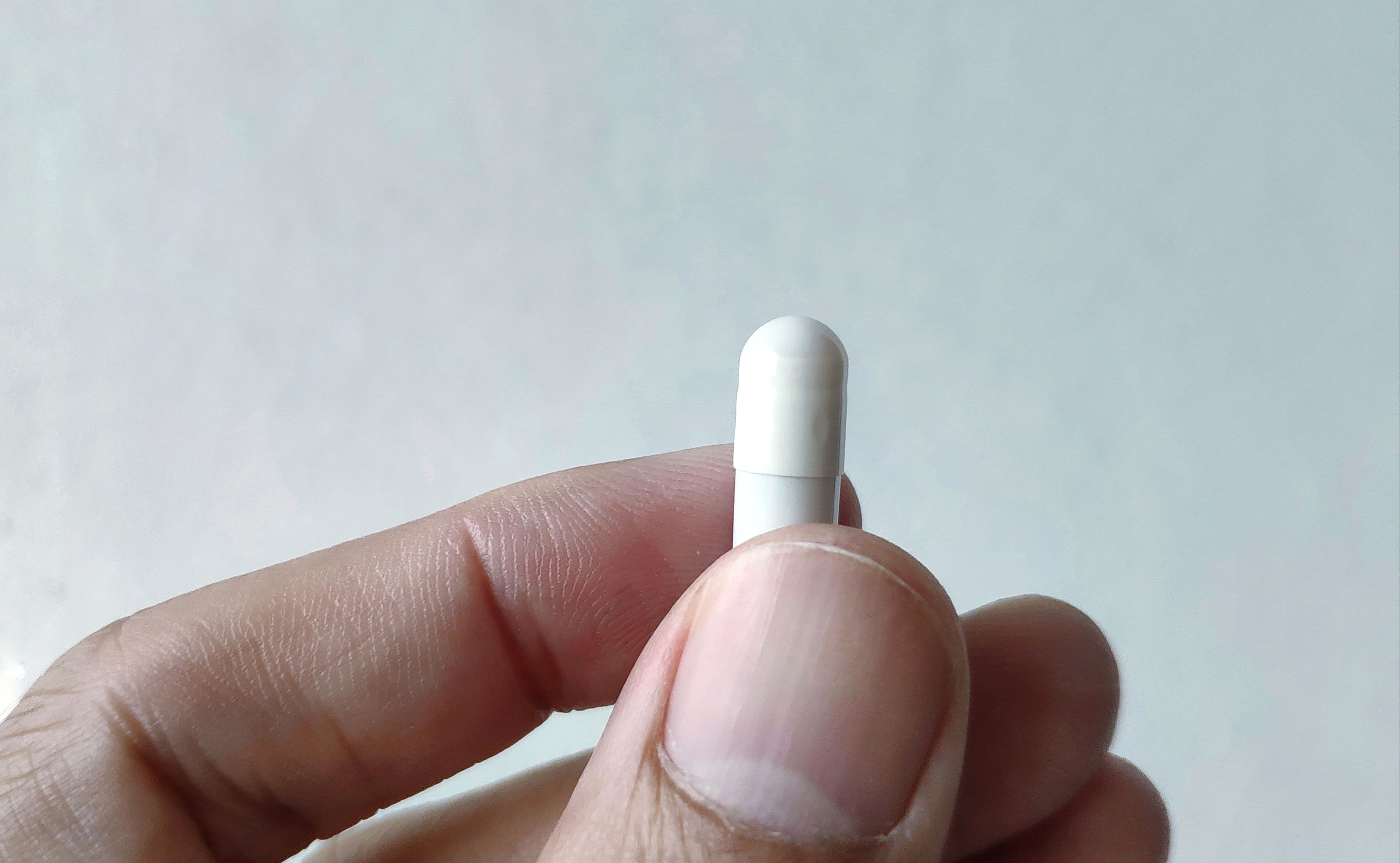
Medicinal cannabis for chronic pain challenges opioid dominance.
Medicinal cannabis was included in the Pharmacopoeia of the United States in 1851, with detailed recipes on how extracts from the plant (Cannabis Sativa) could be used as analgesic, hypnotic, and anticonvulsant medicine available until 1942. Now, medicinal cannabis is experiencing a renaissance.
The research decides, but the patients inspire.
The medicinal use of cannabis is evolving rapidly in numerous countries. What started as a patient-driven call for legal access to herbal cannabis has developed into a worldwide industry and an expanding class of therapeutic medicines.

The research decides, but the patients inspire.
The medicinal use of cannabis is evolving rapidly in numerous countries. What started as a patient-driven call for legal access to herbal cannabis has developed into a worldwide industry and an expanding class of therapeutic medicines.
Pain looks different.
There is no single type of person who lives with chronic pain. Those affected span across age, gender, and background. You cannot necessarily tell if someone has chronic pain just by looking at them, and living with chronic pain can manifest in various ways.